Posted by Admin on 2026-10-24 15:39:32 |
Share: Facebook | Twitter | Whatsapp | Linkedin Visits: 25
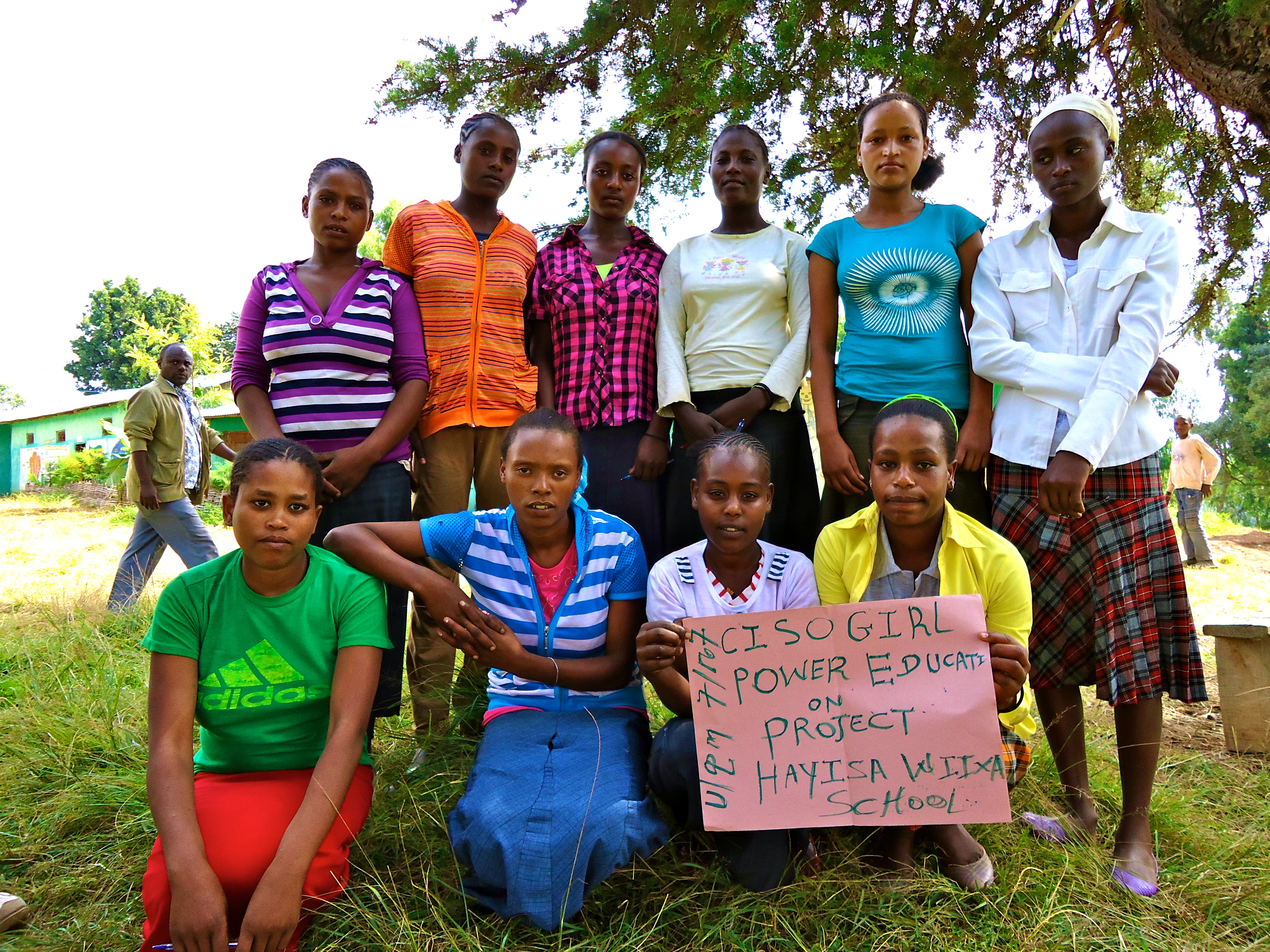
It was in the World Declaration on Education for All (1990) and the Dakar Framework for Action (2000) that quality of education was recognized as a prime condition for achieving “Education for All.” But, most schools in rural parts of Ethiopia fail to provide quality education because of low profile of teachers, low teacher-student ratio, shortage of class rooms and limited access to reading materials. Ethiopia’ education sector was characterized at all levels by extremely low overall participation rates; 30% at primary, 13% at secondary and less than 1% at tertiary levels. Its gross enrolment rate of 30% at primary was one of the lowest in the world and even less than half of the average for Sub-Saharan African countries. Girls’ participation rates were much lower than those of boys, especially in pastoralist areas.
 CISO